

Understanding the Cost of Foundation Repair
Foundations are the backbone of any structure, and ensuring their integrity is crucial for the safety and longevity of your home. The cost associated with foundation repair can vary significantly based on numerous factors such as soil conditions, the extent of damage, and the type of foundation. Homeowners need to be equipped with knowledge about these variables to make informed decisions. We aim to unpack these elements and offer guidance to assist homeowners in effectively managing their foundation repair projects.
Factors Impacting Foundation Repair Costs
1. Soil Conditions
The type of soil beneath a home significantly impacts the integrity of its foundation as well as repair costs. Certain soil types, like expansive clay, can shift dramatically with moisture changes, leading to foundation issues. On the other hand, sandy soils offer more stability, which may reduce potential repair costs. Homeowners should be aware that soil assessments can range in cost, influencing the overall expenses in understanding the specific needs of the property. Additionally, investing in suitable soil management techniques can prevent further issues and potentially save on future repairs.
2. Severity of Foundation Damage
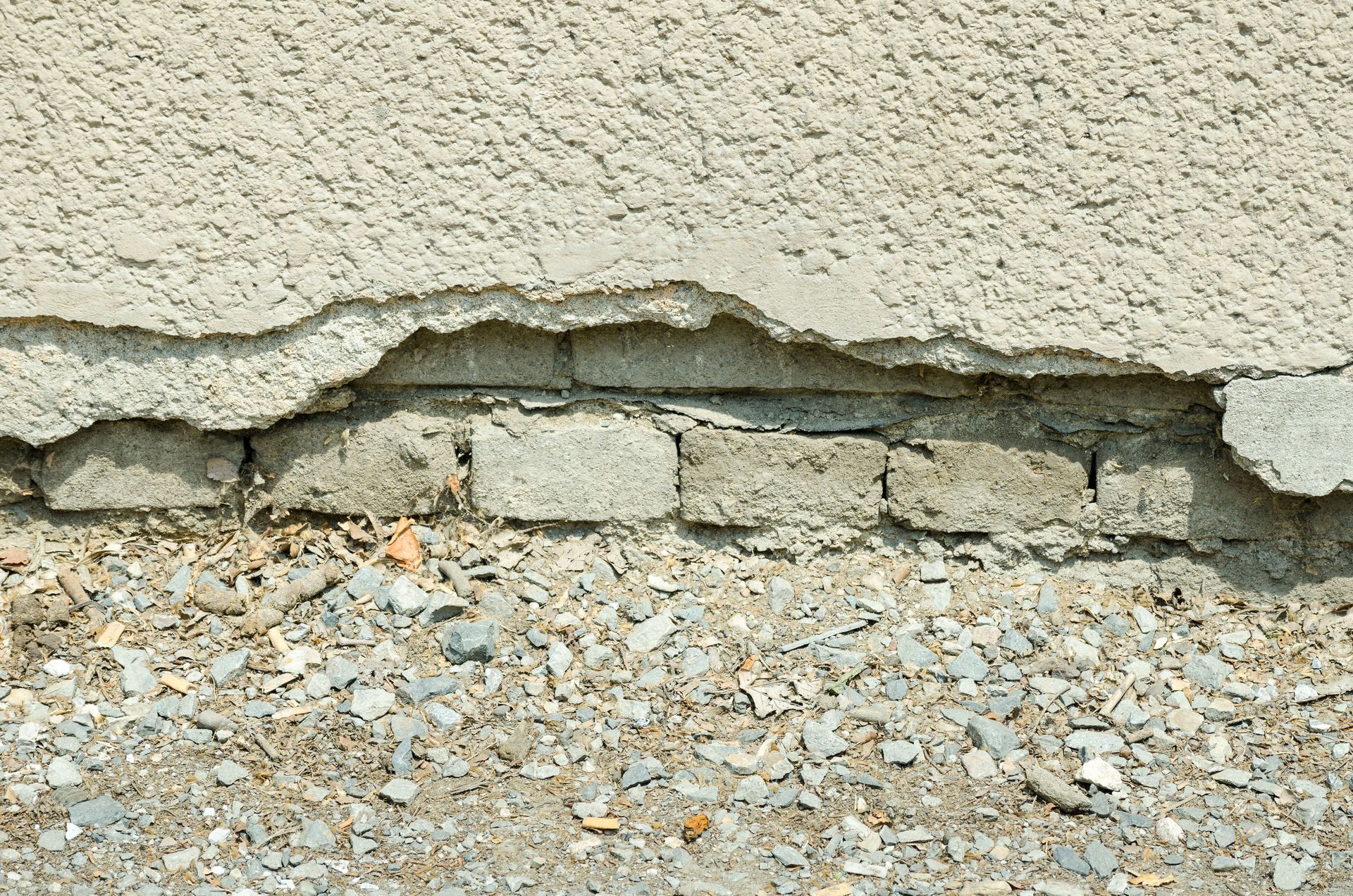
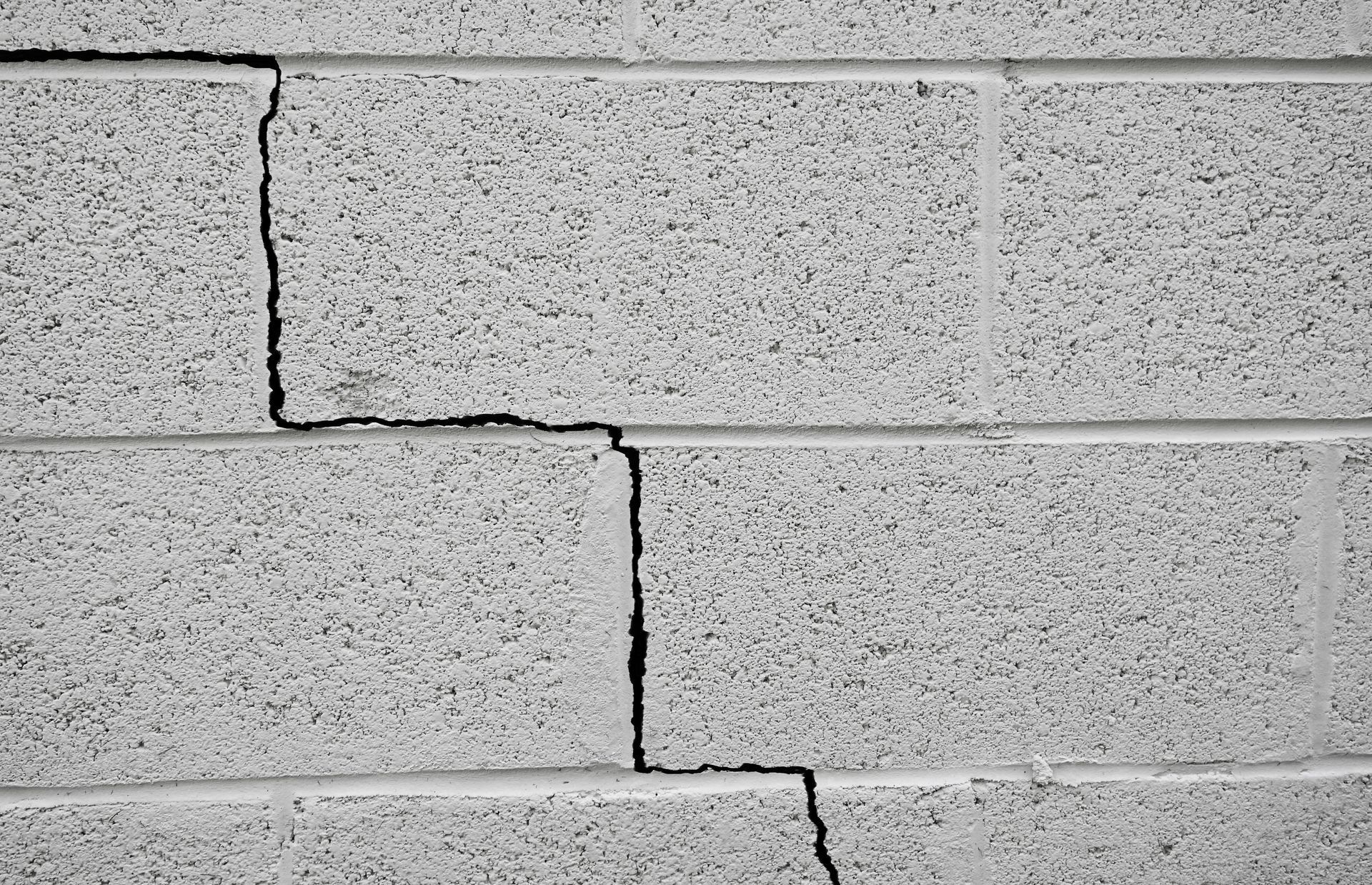
The extent of foundation damage plays a critical role in determining repair costs. Minor cracks and settlements may require minimal intervention but can escalate if not addressed timely. More severe issues, such as deep cracks or significant shifts, necessitate major structural interventions, driving up repair costs. Regular inspections can help catch issues early, helping to mitigate more costly repairs down the line.
3. Type of Foundation
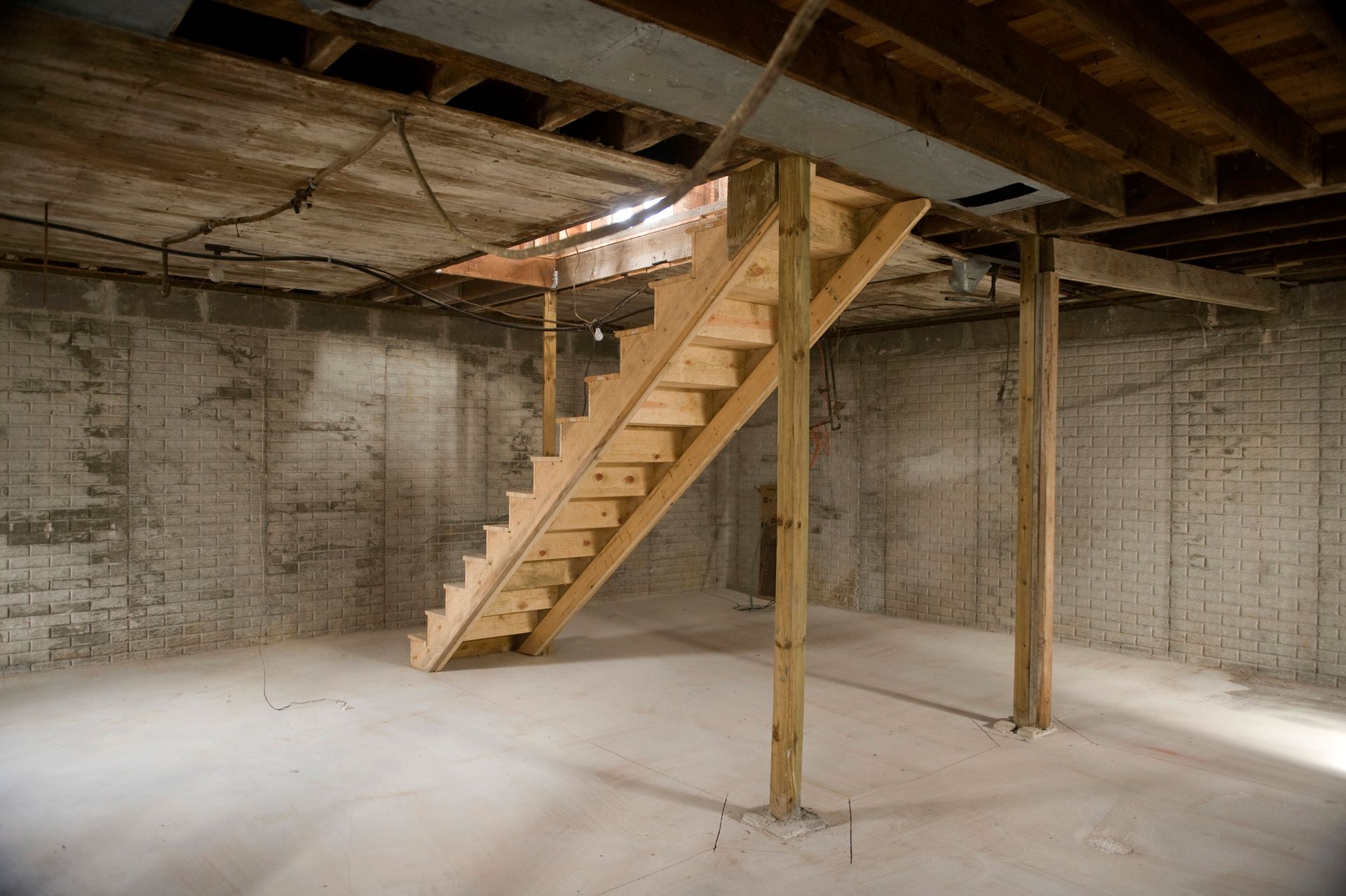
The type of foundation a home has—a slab, crawlspace, or basement—also impacts foundation repair costs due to varying complexities in addressing issues. A slab foundation may involve engaging with its entire area, often leading to higher costs compared to localized repairs within a basement. Crawlspaces may present their unique challenges but typically offer easier access compared to other types. Understanding the foundational structure is essential for homeowners to anticipate potential issues. Additionally, being informed about specific repair needs and costs based on foundation type can empower homeowners to make strategic decisions.
4. Regional Cost Variations
Geographical location is another significant factor influencing foundation repair costs. Labor rates and material costs vary widely across regions, affecting the overall pricing of repair projects. In areas with a higher cost of living, homeowners can expect to face steeper expenses even for standard repairs. Furthermore, certain regions may experience more prevalent foundational issues due to specific climate and soil conditions, adding to potential cost variations. It's beneficial for homeowners to research and understand these regional discrepancies when planning for repairs.
Common Methods of Foundation Repair
1. Piering and Underpinning
Piering and underpinning are common methods used to stabilize and reinforce failing foundations. This technique involves placing piers or pilings under the foundation to strengthen its support. Often employed in cases of severe foundation settling, the process requires skilled labor and careful planning, impacting costs. Despite the higher expense, piering offers long-term stability and can prevent future issues, potentially justifying the investment. Understanding the trade-offs between upfront costs and long-term savings is crucial for homeowners considering this method.
2. Slab Jacking
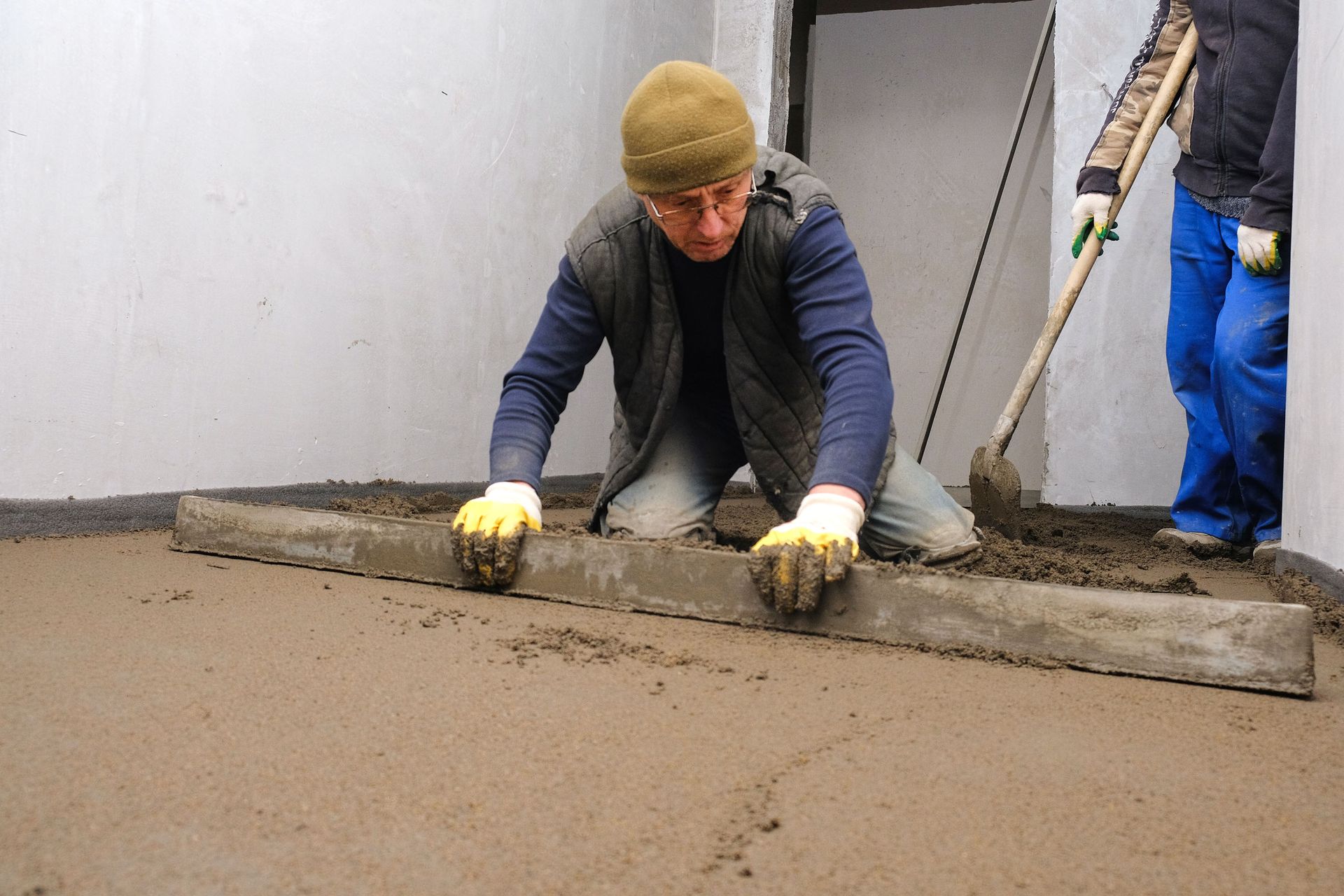
Slab jacking, also known as mud jacking, is a method used to lift sunken concrete slabs back to their original level. It involves injecting a mixture beneath the slab to raise it, offering a cost-effective solution for specific types of foundational shifts. This method is particularly suitable for non-structural slabs like walkways or patios, providing a targeted approach with relatively lower costs. However, it's essential to note that slab jacking may not be suitable for addressing more profound structural issues. Homeowners should consult with professionals to determine its applicability and cost-effectiveness for their specific situation.
3. Masonry Patches and Sealants
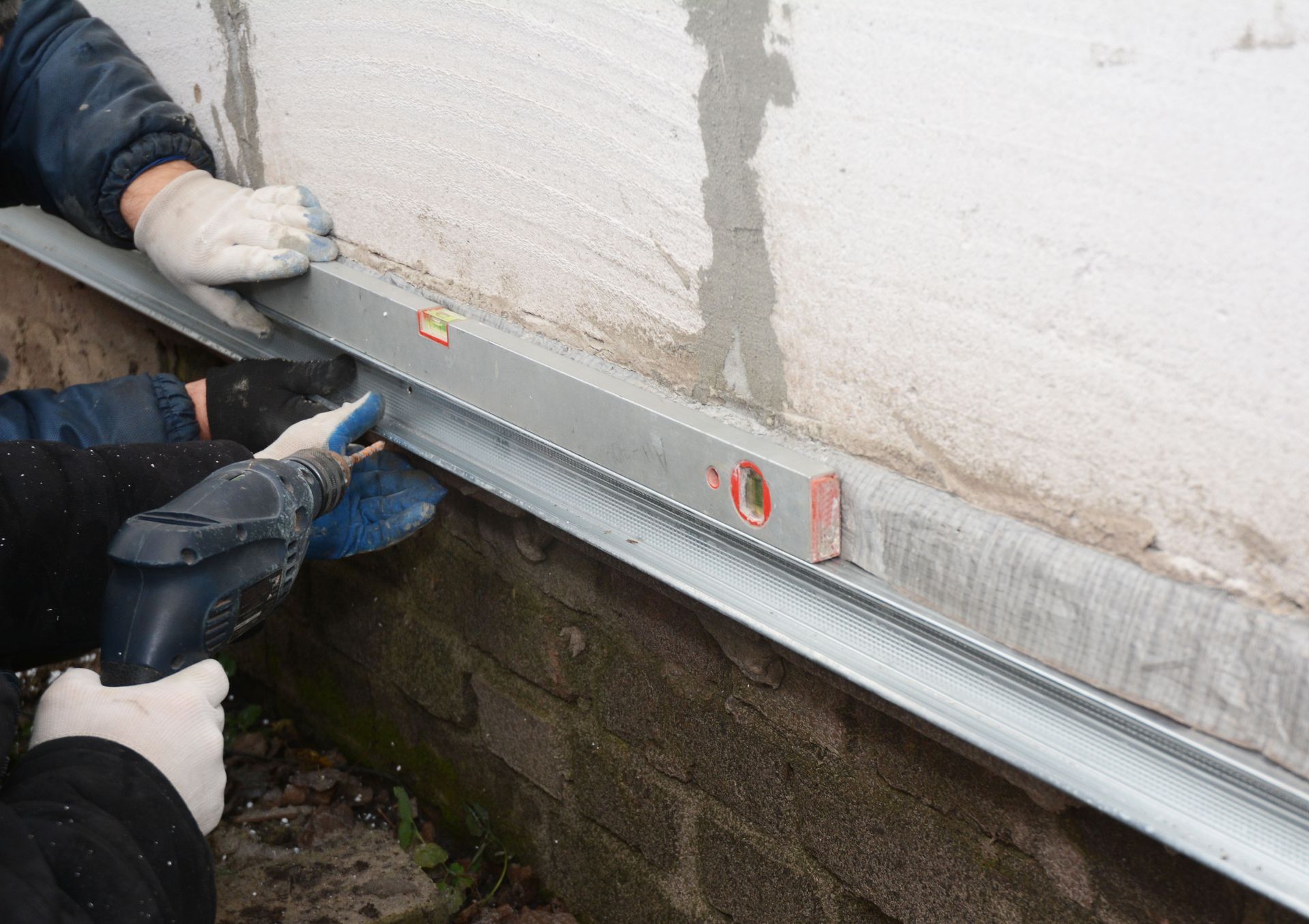
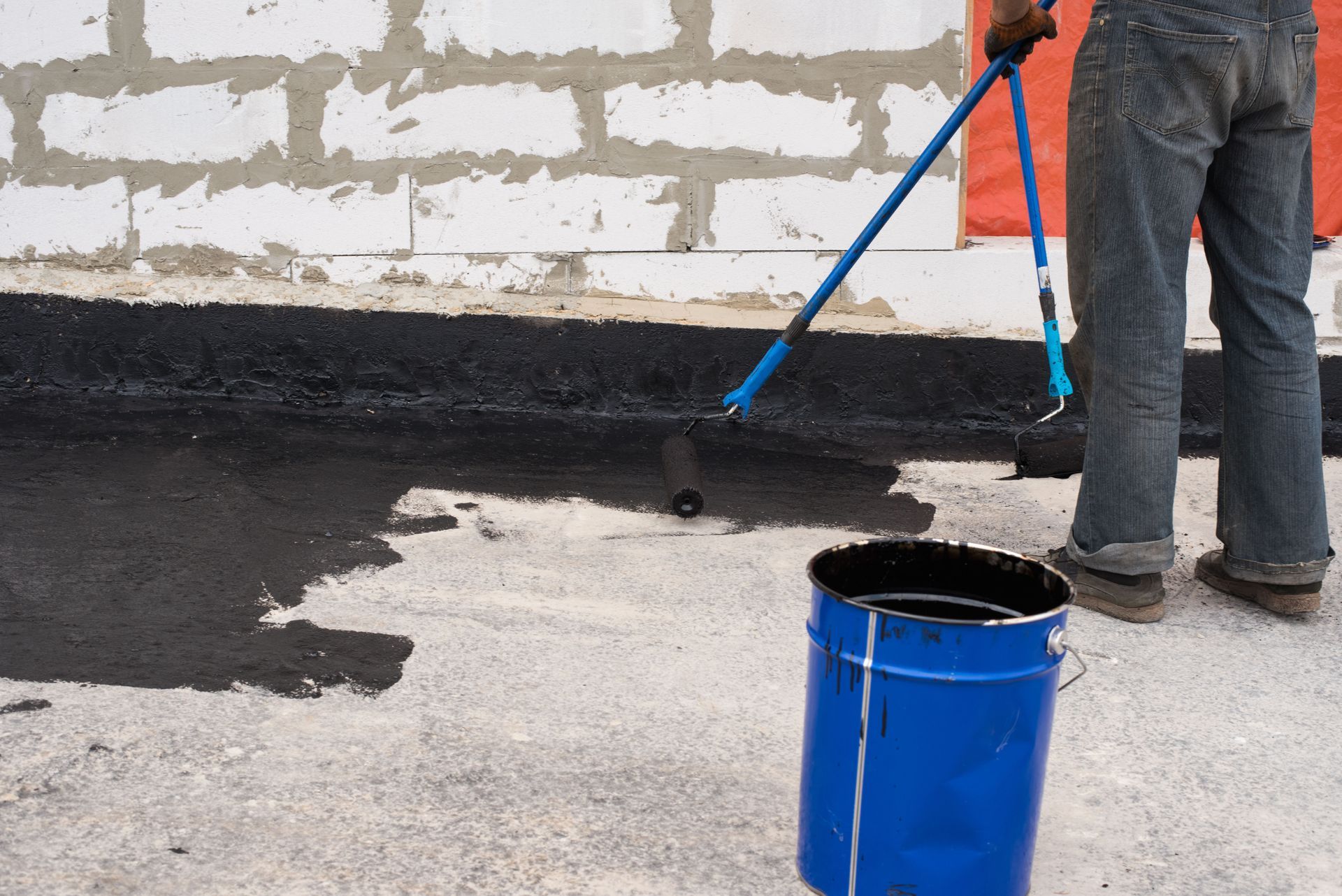
Masonry patches and sealants are used for addressing minor cracks and leaks in the foundation. These repairs offer an immediate, albeit often temporary, solution for visible issues, serving as a stop-gap measure while more comprehensive repairs are considered. This method is cost-efficient and fast, making it appealing for small, non-structural damages. However, reliance on patches and sealants should be balanced with a long-term strategy, as foundational issues can reemerge if the underlying cause isn't resolved. It is crucial for homeowners to recognize when these methods are appropriate and when broader interventions are necessary.
4. Drainage Correction
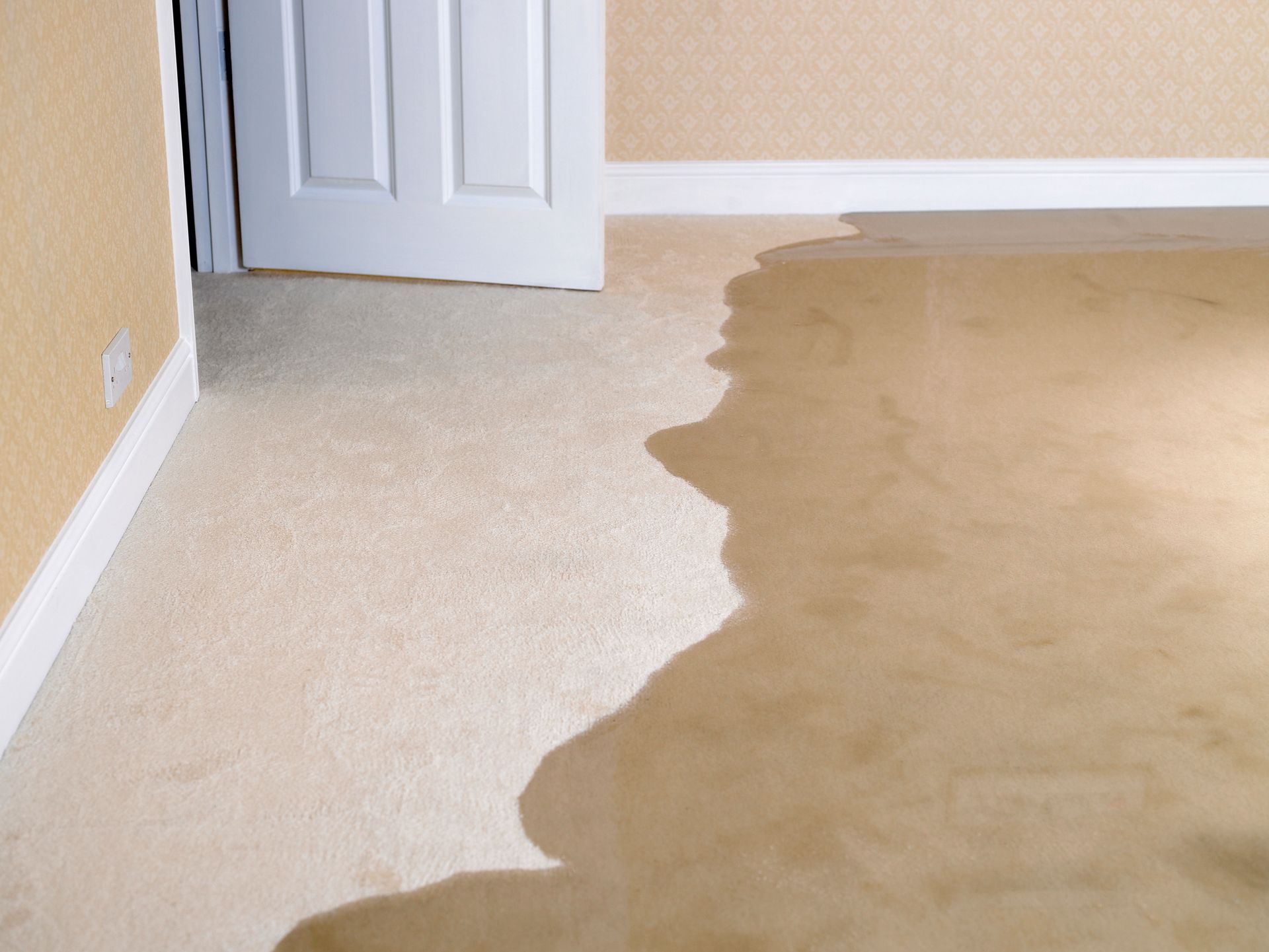
Implementing effective drainage correction is a preventative approach to foundation repair. Poor drainage can cause water to accumulate around the foundation, leading to structural issues over time. By addressing drainage with solutions such as grading, gutter installation, and French drains, homeowners can avert future foundational damage. Though initial costs for drainage correction may be significant, they often result in substantial long-term savings by reducing the likelihood of severe and costly repairs. Prioritizing proper drainage is a strategic investment in the integrity and longevity of a home's foundation.
Budgeting for Foundation Repair
1. Estimating Repair Costs
Estimating repair costs requires a multi-faceted approach, considering various factors like the extent of damage, repair methods, and regional cost variations. Homeowners should obtain multiple estimates from reputable contractors to get a comprehensive picture of potential expenses. According to This Old House, foundation repair typically costs between $2,200 and $8,100, yet costs can climb higher based on unique circumstances. Estimating these costs accurately helps set realistic expectations and informs budget planning. It's also wise to seek transparent estimates that detail the scope of work to avoid unforeseen expenses later.
2. Setting Aside Contingency Funds
Setting aside contingency funds is an essential part of budgeting for foundation repairs, providing a financial buffer for unexpected costs. The complexity of foundation work implies that unknown factors may emerge, necessitating additional resources. By having contingency funds readily available, homeowners can tackle surprises without financial strain. This foresight can ensure that the repair process proceeds smoothly, regardless of obstacles that may arise during the project.
3. Financing Options
Exploring financing options is crucial for homeowners who face significant foundation repair expenses. Various financing methods, such as loans or home equity lines of credit (HELOC), provide needed capital for repairs. Options may also include government grants or local programs aimed to assist with home improvements, potentially reducing financial burdens. Homeowners should carefully research and compare these alternatives to select the most suitable financing approach. Responsible use of financing can make the difference in successful project completion without overwhelming financial stress.
4. Insurance Considerations
Insurance plays an important role in whether foundation repairs may be covered financially. Generally, standard homeowners insurance does not extend to foundation damage, unless it's caused by covered perils like fires or earthquakes. However, each policy differs, so homeowners should review their coverage closely and consult their insurance representative for clarification. In some cases, specific endorsements or supplemental policies may offer additional protection for foundational issues. Understanding the nuances of insurance can inform homeowners of out-of-pocket responsibilities and available options.
5. Long-Term Cost Savings
Investing in timely foundation repairs can result in significant long-term savings by avoiding more extensive structural damage. Proactively addressing foundation issues minimizes compounding problems such as warped frames, cracked walls, and water intrusion, which can become costly if unchecked. Early repairs also maintain property value, offering potential returns if the home is sold later. By evaluating the cost-benefit ratio of timely repairs versus deferred action, homeowners can prioritize foundational stability and peace of mind. In essence, proactive foundation care is both a financial strategy and an investment in home security.
Foundation repair can seem daunting due to the financial implications, but understanding the various factors and solutions can empower homeowners. By assessing the condition of their foundation, exploring repair options, and wisely choosing contractors, individuals can effectively manage costs while ensuring their home remains stable and secure. Preventive maintenance and diligent monitoring also play pivotal roles in minimizing long-term expenses and preserving home integrity. Navigating the complexities of foundation repair with informed insights converts potential challenges into manageable projects, safeguarding home value and comfort. If you're looking for reliable foundation repair services, contact Precision Concrete Cutters Inc today.


Share On: